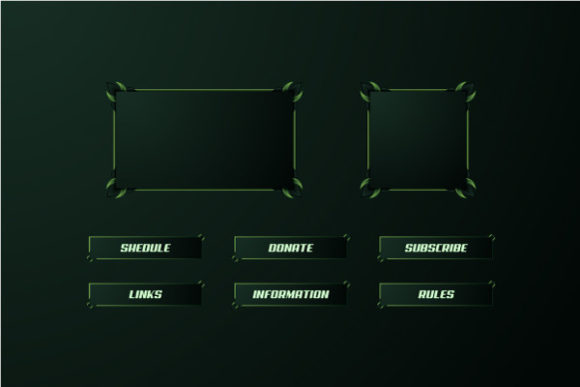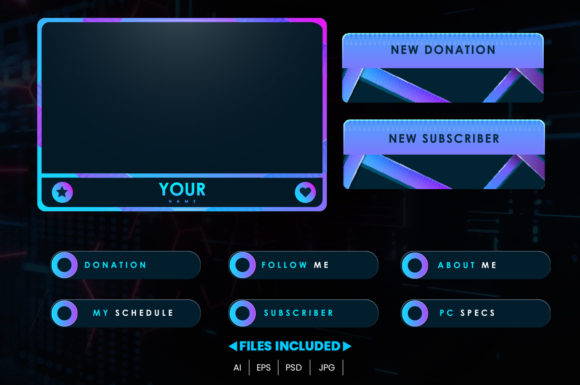
Streaming Overlay Panel Design: The Ultimate Finishing Touch for Your Gaming Rig
Crafting a compelling, professional-looking stream is more than just having great gameplay and a clear microphone. The visual presentation surrounding your game window—the panels for your social links, recent followers, or donation goals—is a critical part of your channel's identity. This is where a professionally designed Streaming Overlay Panel Design comes into play. It's the graphical frame that houses your information, turning a basic stream into a cohesive branded experience. For gamers building their perfect desktop setup, these overlays are the final piece of software that completes the hardware, directly influencing how viewers perceive your channel's quality and effort.
What Overlay Panels Do and Why They Matter
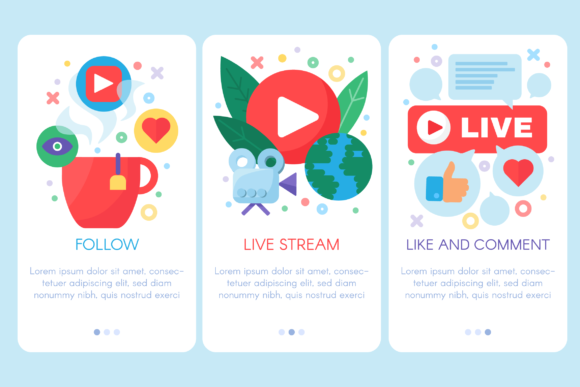
Streaming overlay panels are the static or animated graphic elements that sit on your broadcast screen outside the main game window. They are not the flashy, animated alerts for new subscribers; they are the foundational UI for your channel. Think of them as the dashboard of your stream. A good Streaming Overlay Panel Design provides designated, visually consistent spaces for your information, reducing on-screen clutter and guiding your audience's attention. Without them, you might resort to hastily typed text panels or mismatched images, which can look chaotic and unprofessional. The right design conveys that you are serious about your craft, helping build trust and retention with your audience from the very first glance.
A Common Starting Mistake: Overcomplicating the Visual Space
Many new streamers, excited to customize their channel, fall into the trap of choosing overlay panels that are too busy. Designs with excessive texture, overly intricate borders, or too many glowing elements can visually compete with the game itself. The primary content is your gameplay; the overlay should complement it, not fight for dominance. This mistake directly affects viewer experience, potentially causing fatigue or making important game details harder to see. It’s a usability issue born from a misunderstanding of design hierarchy.
A better approach: Prioritize clean layouts with clear negative space. Look for Streaming Overlay Panel Designs that use subtle textures or solid colors with simple, elegant borders. Test the overlay by previewing it with a fast-paced game. Does it feel distracting? If so, a more minimalist design is likely the correct choice. The goal is enhancement, not obstruction.
The Flexibility You Actually Need: Easy Customization
A significant oversight when purchasing overlays is assuming all designs are rigid. Some packs offer only fixed-color JPG files. For a streamer wanting to match their evolving channel color scheme, this is a major limitation. True value lies in packages that provide editable source files, like PSD (for Photoshop) and AI/EPS (for vector editors). This is the "very easy to edit" promise in action: the ability to change colors, move elements, hide layers, and truly personalize the asset.
What to check before downloading: Always verify the file formats included. A pack offering only JPGs is a final product; a pack including PSD and AI is a toolkit. With the toolkit, you can, for example, shift a blue theme to a deep orange to match a new logo, or remove a specific graphic element you don't use. This flexibility future-proofs your purchase and allows for unique results that differentiate you from other streamers using the same base design.
Ignoring Composition and Readability
Another frequent error is applying overlay panels without considering the composition of your full screen. Placing a large, opaque panel over an area of the game that frequently shows crucial HUD information (like health bars in an RPG) is a poor decision. Similarly, using fonts within the overlay that are too stylized or small can make your information—like your Twitter handle—unreadable, especially on mobile viewers' smaller screens.
Practical advice: Before going live with a new Streaming Overlay Panel Design, conduct a mock broadcast. Record a few minutes of your typical gameplay with the overlays active and watch it back. Are any game-critical elements obscured? Is all text legible? Adjust the positioning of your game capture or the overlay panels themselves to create a harmonious layout. Legibility and clear composition are non-negotiable for functional stream design.
Platform Consistency and Asset Management
Streamers often multistream or switch platforms, using their overlays on Twitch, YouTube, and Facebook Gaming. A misunderstanding here is assuming one design will look identical on all platforms. Different platforms may have slightly different recommended resolutions or safe zones for their UI elements. A panel designed perfectly for Twitch might collide with YouTube's default player controls if not positioned carefully.
How to avoid this: When editing your overlay files, create slightly different versions or presets for each platform you use. Use the hiding and showing of layers functionality to perhaps simplify the design for a platform with a more compact player layout. Manage your assets by clearly labeling the PSD files: "Twitch_Overlay.psd", "YouTube_Compact.psd". This small organizational step prevents last-minute scrambling and ensures a polished presentation everywhere.
Evaluating Value Beyond the Initial Price
The cost of a Streaming Overlay Panel Design pack is trivial compared to the time it saves and the quality it adds. However, a mistake is buying a cheap pack that lacks the essential editable files or has a design that doesn't scale well. A low-quality JPG overlay might pixelate when adjusted for a higher resolution stream, degrading your visual quality. This affects long-term satisfaction and may force you to buy another pack sooner than anticipated.
A more strategic choice: Look for designs that are described as "scalable" or that come in vector formats (AI, EPS). Vector graphics are resolution-independent, meaning they can be scaled up to 4K streams or down for a highlight clip without any loss of quality. This, combined with the editable PSD for practical adjustments, offers far greater long-term value. It’s an investment in a durable asset for your channel.
Final Steps Before Completing Your Setup
Once you've selected and customized your ideal Streaming Overlay Panel Design, take two final, often overlooked steps. First, ensure you understand how to properly import and set the layers in your broadcasting software (OBS Studio, Streamlabs, etc.). Misunderstanding layer order can result in panels hiding your webcam or alerts. Second, create a simple backup of your finalized, edited PSD files and the exported PNGs you use on stream. If you ever need to reset your streaming software or change computers, having these assets organized and backed up will get you back online with your signature look in minutes, not hours.
Integrating a well-thought-out overlay transforms your streaming space. It moves your setup from a purely technical gaming PC to a broadcast studio. By focusing on clean design, true customization, readability, and platform-specific adjustments, you avoid common pitfalls and build a visual foundation that supports, rather than hinders, your growth as a creator.