The Versatile Power of the Frame Logo: An Essential Design Element
In the world of visual identity, certain components possess a timeless utility. The frame, a seemingly simple graphic device, holds such power. When applied to logo design, a frame becomes more than a decorative border; it transforms into a foundational structure that organizes, defines, and elevates the brand mark it contains. This conversation explores the nuanced role and practical application of the frame logo design, an asset prized by designers and businesses alike for its clarity and adaptability.
Defining Characteristics of a Frame Logo
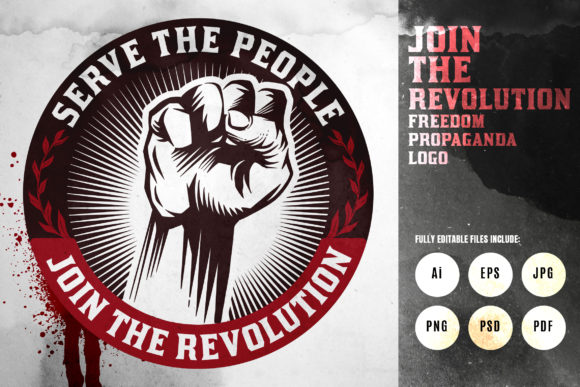
A frame logo is any logo design where a graphic border or enclosure actively forms part of the core identity. Unlike a free-standing icon, the frame logo integrates the company name, symbol, or initials within a shaped boundary. This boundary can range from geometric—like circles, squares, or hexagons—to thematic, such as a frame house logo for a construction company or a gold floral logo frame for a luxury wedding planner. The defining characteristics are intentional containment and structural cohesion.
This approach inherently brings order. It groups disparate elements into a single, unified object, making the logo easier to perceive and remember. A well-designed frame acts as a visual anchor, focusing the viewer's attention on the essential information inside. This is why frame logos are often found in contexts requiring quick recognition and a sense of established authority, from corporate badges to guild emblems.
Practical Advantages for Businesses and Creators
The adoption of a frame logo design offers several tangible advantages, rooted in both aesthetics and utility. First, it provides immense versatility in application. A logo contained within a clear boundary fits more seamlessly into various layouts—from website headers to product packaging, social media avatars to physical signage. The frame creates a natural "stop," preventing the logo from visually bleeding into other elements on a page or product.
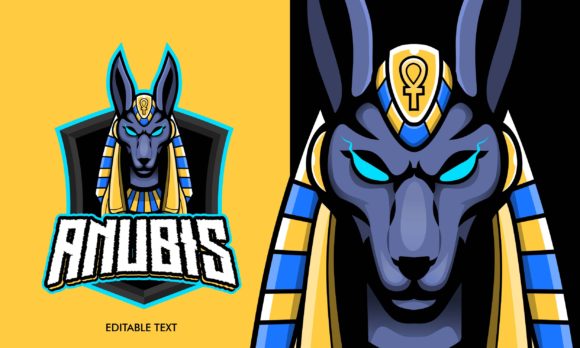
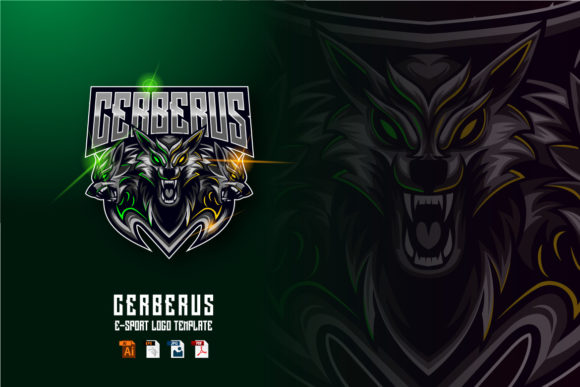
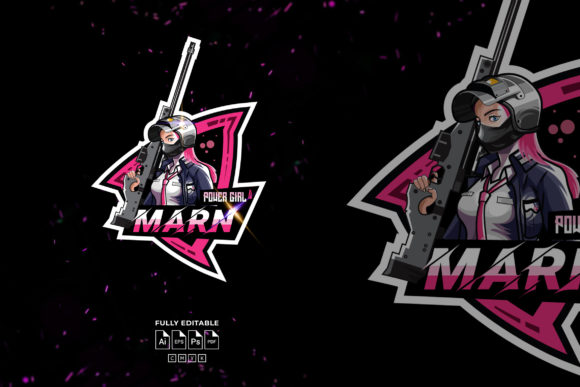
Secondly, frames lend a sense of tradition, protection, and completeness. They can evoke feelings of security, heritage, or exclusivity. For a wedding planner, a wedding monogram encased in an elegant floral frame logo vector communicates sophistication and careful curation for a couple's special day. For a gaming brand, a bold, angular frame logo gaming design can signify a team or a competitive arena.
- Enhanced Memorability: The combined shape of the frame and interior content creates a stronger, more singular visual imprint.
- Scalability and Clarity: Even at small sizes, the bounded logo maintains its integrity, crucial for mobile screens or printed merchandise.
- Adaptability Across Media: The design works equally well in digital (PNG for web) and print (CMYK color mode) formats.
Key Considerations in the Design Process
Crafting a successful frame logo requires careful thought beyond simply drawing a box around a name. The relationship between the frame and the interior elements is paramount. The frame should complement, not compete. For a simple wedding logo, a delicate wreath might frame the couple's initials, where the flora enhances the romantic theme without overpowering the text. In contrast, a tech company might use a sleek, minimalist frame that emphasizes modernity and precision.
Technical execution is also critical. Professional designers prioritize creating these logos as 100 vector logo designs. Vector graphics, defined by mathematical paths rather than pixels, are infinitely scalable without loss of quality. This means a logo can be resized from a tiny favicon to a massive billboard while remaining sharp. Furthermore, working in 300 DPI resolution for any rasterized exports (like high-quality PNG files) ensures crispness for print materials such as invitations or business cards.
The attribute of being easy to modify and change color is a significant practical benefit, especially for businesses that may need seasonal variations or sub-brand adaptations. A vector-based frame logo vector file allows a designer to quickly adjust the frame color from gold to silver or change the floral accents for different event themes, maintaining brand consistency while offering flexibility.
Diverse Applications and User Scenarios
The frame logo design finds its home across a spectrum of industries and purposes. Its utility is not confined to one niche. Consider the following natural applications:
- Wedding and Event Industry: This is a prime domain. Here, the frame often incorporates thematic elements. A wedding logo might use intertwined rings or a heart as a frame. A creative planner might use a vector elegant frame to convey their style. These logos are used on websites, stationery (wedding clipart), signage, and even digital assets like a PS wedding logo for custom photo edits.
- Professional Services and Guilds: Law firms, architectural studios, and professional associations often use badge-like frame logos to convey trust, history, and official status. The frame implies a seal of approval or a standard of quality.
- Consumer Brands and Retail: From a rustic a frame cabin logo for a lifestyle brand to a ornate design for a jewelry line, frames help products feel curated and complete. They can be used on labels, tags, and as part of the overall packaging design.
- Digital Communities and Gaming: Online teams, streamers, and game developers utilize frame logo gaming designs to create a strong, recognizable badge for their community, often used in avatars, overlays, and merchandise.
For the hobbyist or small business owner, online frame logo maker tools provide a gateway to explore this style. However, for a lasting, professional identity, investing in a custom vector design from a skilled artist or designer ensures uniqueness and technical quality.
Integrating Frame Logo Assets into a Brand System
Once a frame logo is created, its integration into a broader visual system is a crucial next step. The logo should not exist as a solitary artifact but as part of a harmonious bundle of brand assets. This often includes multiple file formats: the primary vector source file (for future edits), high-resolution PNG files with transparent backgrounds for digital use, and perhaps specific versions like a wedding PNG optimized for printed invitations.
The design choices within the logo also set the stage for the brand's wider aesthetic. The colors (working in CMYK color mode ensures accurate print reproduction), the style of the floral elements if used, and the overall tone—whether it's pink cool and modern or traditionally elegant—influence choices for website design, marketing materials, and even physical event decor. A cohesive system might extend to custom svg icons for the website or matching patterns for a creative planner's notebook designs.
Ultimately, the goal is for the framed logo to act as the keystone of this system. Its clarity and structure make it the most repeatable and recognizable element. Whether it signifies a partnership (you and me), a universal concept like love, or a specific professional service, the frame logo design provides a solid, adaptable, and meaningful foundation for building a visual identity that resonates across contexts and audiences.
The enduring relevance of the frame in logo design speaks to its fundamental graphic strength. It is a tool that organizes information, enhances recognition, and carries symbolic weight. From the most nice logo for a personal project to the complex emblem for a global corporation, the principles of containment, scalability, and thematic integration remain constant. By understanding these principles and the practical requirements of vector creation, color management, and format adaptation, anyone involved in bringing a brand to life can make informed, effective decisions about employing this classic and powerful design form.